
Tourist Tailor Scams to Avoid in Bangkok: How They Work and How You Stay Safe
You avoid most Bangkok tailor scams by doing two simple things: never trust “special deals” pushed on you in the street, and only use tailors with strong, verifiable reviews and proper fittings. That’s the short version.
Bangkok’s famous for quick, cheap custom suits, but it’s equally famous for sketchy “best quality, my friend.“ shops that leave you with badly made clothes and an empty wallet. In this guide you’ll see why tailor scams are so common, exactly how the classic tourist trap works, the biggest red flags to watch out for, and the main scam variations that keep popping up.
You’ll also get clear steps for what to do if you’ve already been burned, plus a straightforward checklist for choosing a reputable Bangkok tailor with much less stress. By the end, you’ll know how to walk past the scammy shops with confidence and still walk away from Thailand with a suit you’re actually happy to wear.
Why Tailor Scams Are So Common In Bangkok
Tailor scams are common in Bangkok because the city gets over 20–25 million international visitors a year and a good chunk of them want “cheap custom suits“ without really knowing what they should cost. That combination of huge tourist volume and limited local knowledge is gold for dodgy operators.
You’ve got a few things happening at the same time:
- Tourists are on holiday mode. You’re relaxed, spending more freely, and your guard’s down. A friendly local offering a bargain doesn’t feel threatening at all.
- Bangkok actually is famous for tailoring. There are some excellent tailors here, and scammers piggyback on that reputation. They know you’ve probably heard that Thailand is “the place to get a suit made”.
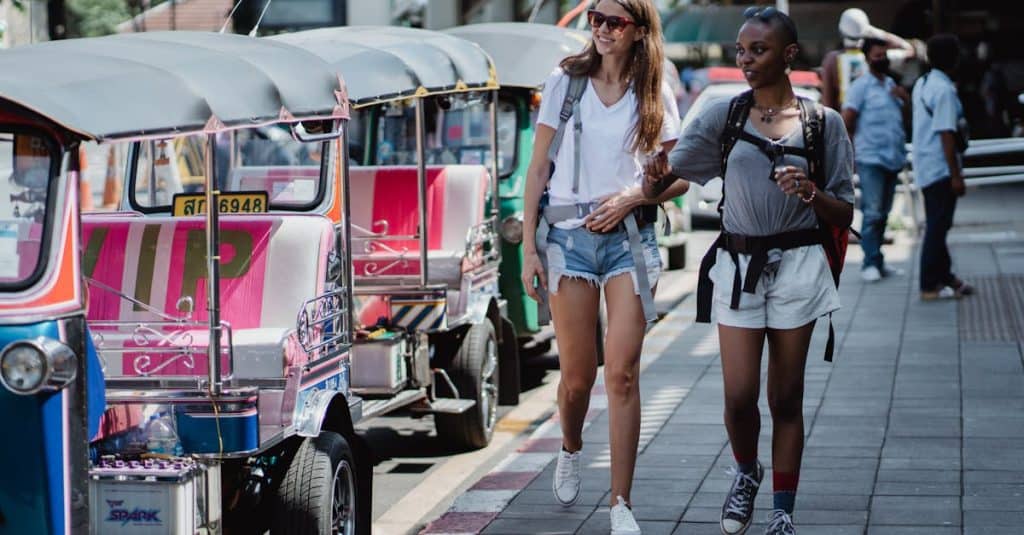
- Commission culture is strong. Tuk-tuk drivers, random “guides”, and even some hotel staff get kickbacks for sending you to particular shops. That means you’re often being steered to whoever pays the highest commission, not whoever sews the best suit.
- Short stays work in their favour. You’re in town for a few days, maybe a week. By the time you realise the suit is rubbish or never arrives in the post, you’re already back home.
On top of that, some scam tailor shops don’t need repeat business. They just need a constant flow of new tourists. When reviews get bad or police pressure increases, they close, change name, and reopen a few streets away.
So when you hear stories about tourist tailor scams to avoid in Bangkok, you’re not hearing about one or two bad apples: you’re hearing about a quick-turnover business model that survives on first-timers who don’t know the game yet.
With that in mind, it helps a lot to understand the classic script they run on you, which you’ll see next.
How The Classic Bangkok Tailor Scam Works
The classic Bangkok tailor scam usually follows the same 4–5 step pattern: approach, trust-building, fake bargain, rushed fitting, and poor delivery. Once you know the beats, you start spotting them all over town.
Here’s how it typically plays out:
- The friendly approach
A man (or sometimes a tuk-tuk driver) starts chatting to you near a tourist area: outside a temple, around Sukhumvit, Khao San Road, or MBK. He’ll ask where you’re from, pay you some compliments, maybe say his “cousin lives in London“ or wherever you’re based.
- The manufactured opportunity
Within a minute or two, you’re told about a “government-sponsored export sale“ or “special promotion” that happens only today or only this week. You’re assured this is a rare chance to get a very high-end suit for an incredibly low price.
- The shop handover
You’re walked or driven to a tailor shop. Inside, multiple staff jump in with tea, water, big smiles, photo albums of allegedly famous clients, and shelves of lookalike “Italian” fabrics. You’re made to feel slightly important and a bit pressured not to walk away.
- The fast-talking deal
You’re given a price that sounds amazing for what they claim: maybe two or three suits and shirts for what you’d pay for one back home. The condition is almost always the same: pay a big deposit now, decide quickly, and they’ll handle “everything else”. They’ll insist they can finish a custom suit in 24 hours which, technically, is barely possible but usually means corners will be cut.
- The rushed measurement and limited fittings
They take your measurements in a rush and assure you that one quick fitting, or even none, is enough. Proper bespoke tailoring normally needs at least two fittings for decent results, especially if your body isn’t a straight off-the-rack shape.
- The disappointing outcome
You come back to pick up the suit and it:
- fits badly (baggy shoulders, tight chest, odd sleeve length)
- uses cheaper, scratchier fabric than what you chose
- has sloppy stitching, thin lining, and plastic-looking buttons
If you complain, suddenly the staff get less friendly. They’ll offer a tiny fix or ask you to “come back tomorrow“ knowing your flight’s soon. If it’s being shipped, it may never arrive, or you receive something completely different from what you ordered.
Once you’ve seen this pattern, you’ll notice how some shops try to run a milder version of it too. To avoid even getting that far, you need to recognise the warning signs early, which is where we’re heading next.
Warning Signs You Are Dealing With A Scam Tailor
The clearest warning sign of a scam tailor is when you’re pushed into the shop by a stranger rather than choosing it yourself after research. If someone earns commission to get you through the door, your interests and theirs are already out of sync.
Watch for these red flags:
- “Government promotion” or “export quality only today“ stories. There isn’t a real official Thai government tailor sale aimed at random tourists on the street. When you hear this line, it’s marketing, not policy.
- Aggressive discounts before you even ask. If they slash the price by 50–70% the moment you hesitate, they were never offering a realistic price in the first place.
- No clear pricing list. Reputable tailors usually have structured prices for suits, shirts, fabrics, and extras. If everything is made up on the spot, that’s a bad sign.
- Rushed deposit request. If they push you to pay a large deposit immediately, before you’ve thought about fabrics, style, or schedule, your alarm bells should be ringing.
- Promises of “perfect same-day suit“ with minimal or zero fittings. Fast tailoring is possible, but quality tailoring almost always needs more time and adjustments.
- Over-the-top name-dropping. Photos of random “celebrities” on the wall, or vague claims like “we dress many ambassadors“. Ask for specifics and see how quickly the story falls apart.
- No online footprint or terrible reviews. In 2025, a Bangkok tailor that works mostly with tourists should have Google Maps and TripAdvisor reviews. If they don’t exist or are full of complaints about bait-and-switch fabrics, run.
If two or three of these signs show up together, you’re almost certainly dealing with one of the Bangkok tourist tailor scams you’re trying to avoid. Next up, let’s break down the main scam styles so you can recognise the exact trick being used on you.
Common Types Of Bangkok Tailor Scams
Most Bangkok tailor scams fall into a handful of repeatable templates: commission-driven tuk-tuk detours, unrealistic bulk package deals, fabric bait-and-switch, and hard-sell tactics around deposits and fake sales. Each type plays on slightly different emotions – from greed to guilt to fear of missing out.
Let’s go through the main ones you’re likely to face.
The Tuk-Tuk And Tailor Commission Scam
In the tuk-tuk and tailor commission scam, drivers get paid a commission (often 100–300 baht or more per tourist) just to drop you at specific shops, even if you never planned on buying a suit. You think you’re getting a cheap ride: the driver’s actually running a side hustle.
The classic routine looks like this:
- A driver offers you a shockingly cheap or even free ride “around Bangkok”.
- Halfway through, he suggests stopping at a “famous export tailor“ for a quick look.
- If you resist, he acts offended or insists he’ll get petrol coupons if you just go inside.
Once you’re in the shop, you’re handed over to the sales team, who pile on the social pressure to stay, look at fabrics, and “just try one suit“. You might feel guilty because the driver “needs the coupon“, which is exactly what they want.
Best fix? When a tuk-tuk driver pushes a tailor or gem shop, say no firmly. If they keep insisting, get out and pay a normal fare or use Grab/Bolt instead.
Too-Good-To-Be-True Package And Same-Day Suit Deals
The too-good-to-be-true package scam usually dangles bundles that sound insane: 2–3 suits and several shirts for less than the price of one mid-range suit back home. On top of that, they promise to finish everything in 24 hours.
On paper it sounds incredible. In reality, you end up with:
- thin, cheap fabric that pills or shines within a few wears
- generic patterns that barely match your measurements
- seams that start coming apart frighteningly fast
Tailors offering honest budget packages will still be clear about fabric type, realistic turnaround time, and the number of fittings. If someone insists “we can do everything tonight, no problem, we’re very fast“ while also slashing the price repeatedly, you’re not getting a miracle, you’re getting mass-produced junk.
Bait-And-Switch Fabric And Quality Tricks
Bait-and-switch is one of the nastiest Bangkok tailor scams because you might not spot it until you’re back home. You pick a nice wool blend on the sample book, pay a decent price, and get handed something entirely different at the end.
Common tricks include:
- Different bolt from the one you chose. They show you a high-quality sample book, then cut your suit from a cheaper roll that looks similar from a distance.
- Mislabelled materials. Fabric sold as “100% cashmere“ or “pure Italian wool“ that’s mostly polyester when you actually check the label or feel it properly.
- Poor construction hidden under nice fabric. Even if the cloth is okay, shortcuts in stitching, fusing, and lining make the suit hang badly and wear out quickly.
One practical tip: take a well-lit photo of the fabric bolt and label when you choose it. It won’t absolutely guarantee honesty, but it makes it harder for them to swap without you noticing.
Pressure Tactics, Deposits, And Fake “Closing Down” Sales
Pressure-based scams are all about pushing you to pay a big deposit before you have time to think. Once they’ve got your money, the power balance shifts heavily in their favour.
You’ll hear lines like:
- “We’re closing tomorrow for renovation, that’s why everything is discounted.”
- “This is the last day of government export week.”
- “If you decide now, I’ll give you an extra suit free.”
They’ll then ask for 50–100% upfront. If things go wrong – late delivery, poor quality, wrong fabric – they’ll resist refunds and stall until you leave Thailand.
To protect yourself, never pay a large deposit to a tailor you didn’t research first. 10–20% is reasonable with a reputable shop, especially if you’ve seen strong reviews. If they demand more and lean on emotional manipulation or guilt, that’s your cue to walk out, politely but firmly.
Now, all of this is very helpful before you hand over your money. But what if you’re reading this a bit late, and the damage is already done?
What To Do If You Have Already Been Scammed
If you’ve already been scammed by a Bangkok tailor, the first step is to go back and calmly ask for specific fixes or a partial refund before you leave Thailand. Angry shouting usually gets you nowhere: clear, firm requests work better.
Here’s a straightforward plan:
- Document everything. Take photos of the shop exterior, business card, receipts, WhatsApp chats, and the actual clothes you received. Keep screenshots of any adverts or promises.
- Ask for alterations first. Sometimes you can push them to correct the fit or remake key pieces. It won’t turn a terrible tailor into a genius, but you might salvage something usable.
- Negotiate a partial refund. If the quality is obviously not as promised – different fabric, huge fit problems – ask for part of your money back. Mention you’ll leave honest reviews online if things aren’t resolved: don’t threaten wildly, just state it.
- Use your card provider. If you paid by credit card and the product clearly misrepresents what was sold, open a dispute when you’re home. It’s not guaranteed, but it’s worth trying.
- Leave factual reviews. On Google Maps, TripAdvisor, or travel forums, calmly explain what happened with photos. That helps other travellers and puts pressure on the worst offenders.
Once you’ve dealt with that, you might still want a decent suit. That’s totally possible – as long as you pick your next tailor properly.
How To Choose A Reputable Tailor In Bangkok
You choose a reputable Bangkok tailor by doing what most scam victims didn’t do: research online first, prioritise consistency over price, and allow enough time for proper fittings. If a shop looks boring but has 500 good reviews, that’s a good sign.
Use this simple checklist:
- Start online, not on the street. Search Google Maps for tailors near where you’re staying. Look for:
- a solid rating (4.5+ is ideal)
- plenty of recent, detailed reviews
- photos of real customers, not just models in catalogues
- Check how long they’ve been around. A good tailor often has years – sometimes decades – in the same area. If you see “since 1985” and reviews going back years, that’s reassuring.
- Visit without pressure. Walk in on your own, not with a tuk-tuk driver. Notice the vibe: do they let you browse quietly or do three staff surround you right away?
- Ask specific questions. For example:
- How many fittings do you normally do? (Good answer: at least two.)
- How long do you need for a suit? (Good answer: 3–5 days ideally.)
- What fabric is this exactly – wool blend, cashmere, polyester? (You want clear, honest explanations.)
- Look at finished work, not just fabric books. Ask to see completed suits they’ve made or, even better, customers being fitted. You’ll see immediately if they know what they’re doing.
- Be realistic about price. A decent Bangkok suit is cheaper than in London or Sydney but not dirt cheap. If the deal looks like a fantasy, something’s off. Honest tailors charge fair, repeatable prices and don’t throw massive random discounts at you.
- Pay in sensible stages. With a trustworthy shop, it’s normal to pay a modest deposit at first, then the rest once you’re happy with the final fitting.
When you follow this process, you can enjoy Bangkok tailors as it should be: a chance to get well-fitted clothes, at good value, without worrying you’ve walked into yet another tourist tailor scam to avoid in Bangkok.
Conclusion
Bangkok’s tailor scams survive on rushed decisions, street “recommendations”, and travellers who don’t know what good tailoring actually needs. Once you recognise the scripts – fake government sales, tuk-tuk detours, miracle same-day suits, aggressive deposits – it becomes much easier to sidestep the traps.
Take your time, research before you walk into any shop, and don’t be shy about walking away if something feels off. Do that, and you keep your money, your sanity, and you fly home with a suit you’re happy to show off rather than hide at the back of the wardrobe.